Obstructive sleep apnea
Diagnosed by a physician, treated here when CPAP is refused or not tolerated.
- Custom mandibular advancement device
- Titrated over follow-up visits
- Efficacy confirmed by repeat sleep test
That is what a typical untreated sleep apnea study looks like. We treat it with a custom-fitted oral appliance — no mask, no hose, no power outlet. Fitted and titrated by Dr. Haley Lawrence-Pummill, DDS.
Scroll to separate the night into its stages. An oral appliance holds the lower jaw slightly forward so the airway stays open — and the stages get to finish.
With the airway obstructed, N1 keeps restarting. The appliance removes the collapse before it begins.
N2 is where most of the night is spent. It only does its job when it runs long enough to matter.
N3 is physical repair — blood pressure drops, tissue rebuilds. Apnea steals it first and gives it back last.
Memory and mood consolidate here. Patients notice this one within the first fortnight.
Diagnosed by a physician, treated here when CPAP is refused or not tolerated.
Primary snoring without apnea is still worth treating — usually in a single fitting.
You own the machine. It lives in the closet. That is the most common story we hear.
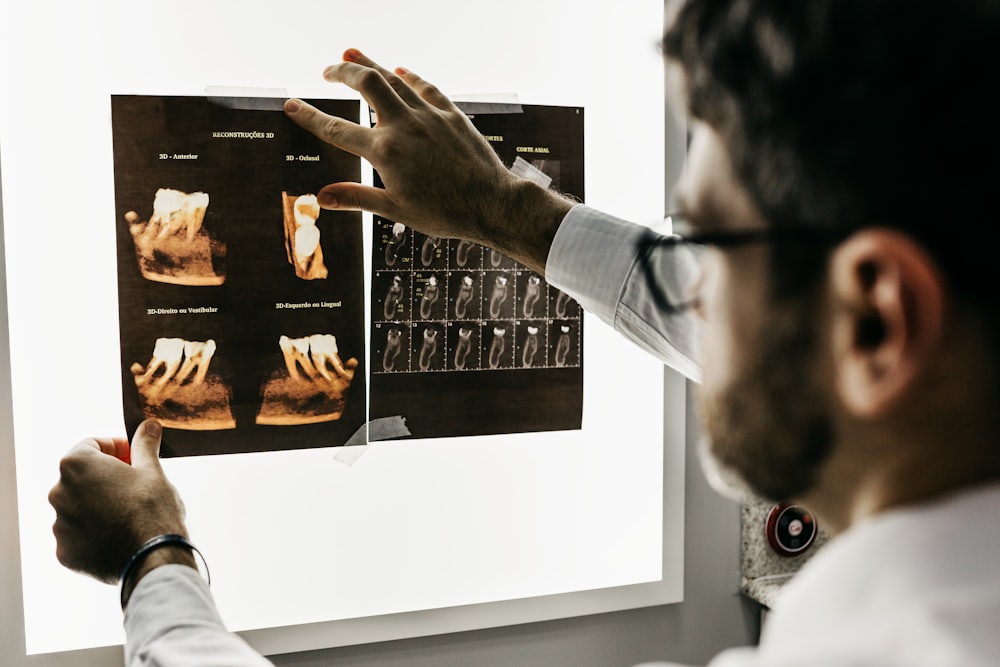
Because it is a customized device, it is fitted, adjusted and re-adjusted against how you actually sleep. That is four short visits over roughly three months, then annual checks.
I had the machine for four years and used it maybe twenty nights. The appliance went in and I just kept using it. My wife noticed before I did.
 Daniel R.Plymouth, MI
The scan took ten minutes and there was no goop. Two weeks later I had the device. Dr. Lawrence-Pummill adjusted it three times until the numbers came back right.
 Priya S.Canton, MI
I drive a truck. A CPAP was never going to work in a sleeper cab. This fits in a case the size of a sandwich.
 Marcus T.Westland, MI
For sleep apnea, yes — an oral appliance is prescribed against a diagnosis, so we need a study from a sleep physician or a home test they have interpreted. If you only snore and have never been tested, come in anyway and we will tell you whether testing is warranted.
Oral appliance therapy for diagnosed obstructive sleep apnea is a medical benefit, not a dental one, and most plans cover it. We verify your benefits before the appliance is ordered and tell you the out-of-pocket figure in writing first.
Small bite changes are the most common long-term side effect and we watch for them at every visit with a morning repositioner and recorded bite records. Most changes are minor; if yours are not, we adjust or change course.
Snoring usually settles in the first week or two. Daytime alertness follows once the advancement is titrated correctly, which typically takes six to twelve weeks.
Yes. Combination therapy lets some patients drop to a much lower pressure and keep their machine for home use while travelling with the appliance alone.
Send this and someone from the practice calls you back within one business day. If it is urgent, phone us instead.